Bordeaux Blend
Bordeaux isn't a grape. It's a decision.
Starting Points
Your Blend
Flavor Profile
Style Compass
The Profile
What makes Bordeaux Blend unique
Flavors
Black currant, plum, dark cherry, cedar, tobacco, graphite, espresso
Body
Full
Dryness
Dry
Acidity
Medium to High
Tannin
High
Regions
Napa Valley, Sonoma County, Paso Robles, Santa Barbara
Perfect Pairings
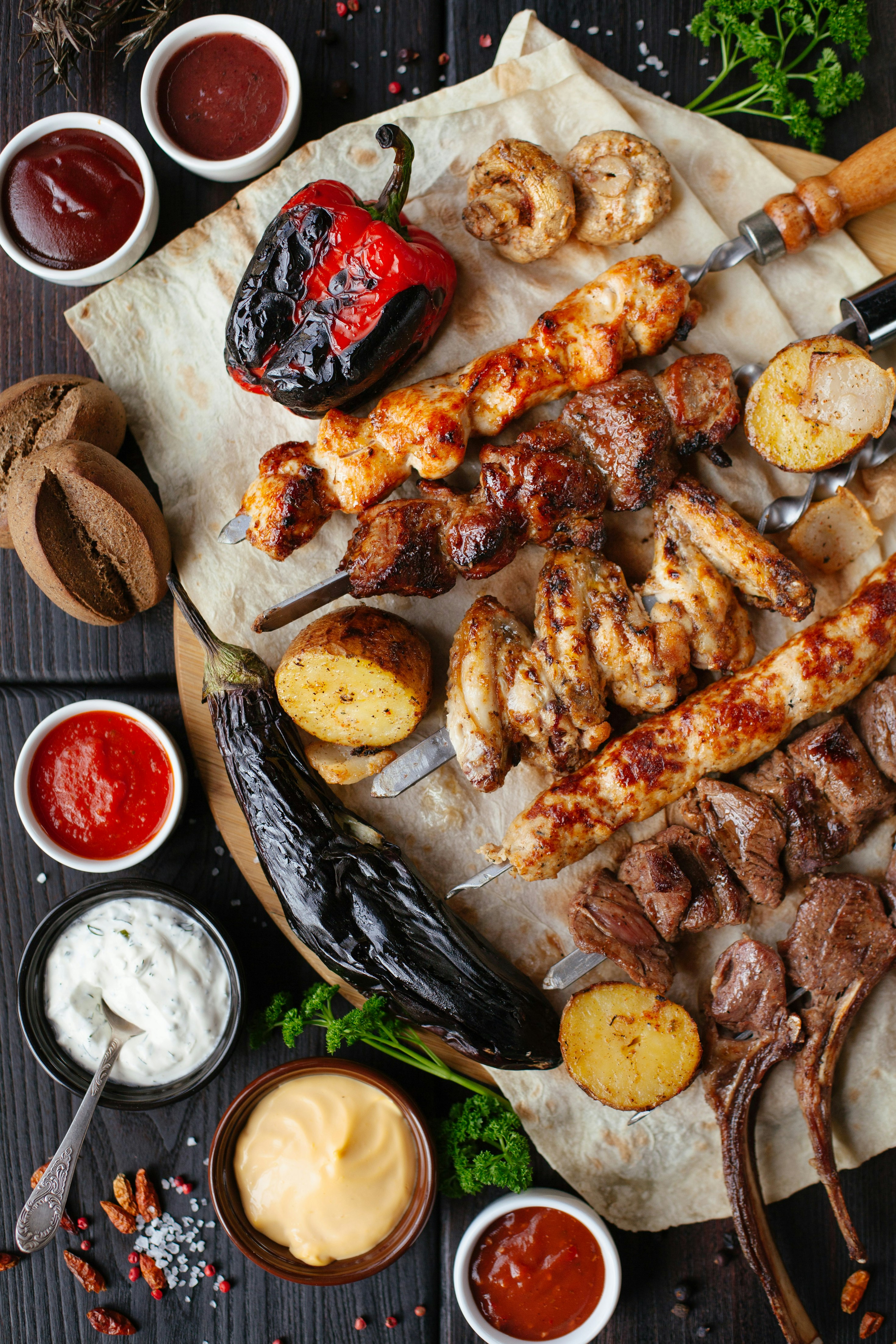
Grilled ribeye, braised lamb, aged cheeses, mushroom risotto

What it tastes like
Bordeaux blends are about harmony through complexity. Expect layers of black currant and plum from Cabernet Sauvignon, plush dark cherry from Merlot, lifted aromatics from Cabernet Franc, and deep color and spice from Petit Verdot. The tannins are structured but refined, the acidity keeps everything fresh, and oak aging adds cedar, tobacco, and espresso notes. These wines age beautifully for decades.

"Bordeaux taught the world that blending creates complexity no single grape can achieve. California took that lesson and made it its own."
Why it matters
Bordeaux taught the world that blending creates complexity no single grape can achieve. California took that lesson and ran with it, producing Bordeaux-style blends—often called "Meritage" wines—that rival the French originals. The warmer California climate produces riper fruit, but the blending philosophy remains: combine complementary grapes to build structure, depth, and age-worthiness. Some of California's most prestigious wines are Bordeaux blends.
California Heritage

The term "Meritage" (rhymes with "heritage") was coined in 1988 to describe premium Bordeaux-style blends made in America. Wines must meet strict criteria to use the trademarked name.

Where it shines
Napa Valley is Bordeaux blend central—especially Rutherford, Oakville, and Stags Leap District, where Cabernet-dominant blends showcase terroir beautifully. Sonoma County's Alexander Valley and Dry Creek produce more balanced blends with equal parts Cabernet and Merlot. Paso Robles crafts powerful, fruit-forward expressions. Santa Barbara's cooler sites make elegant, age-worthy blends with more restraint. Each region interprets the Bordeaux model through a California lens.
How to choose
Look for "Meritage" on the label—it signals strict blending requirements and quality standards. Napa Valley for prestige and structure. Check the blend percentages if listed—Cab-dominant leans Left Bank (structured), Merlot-forward leans Right Bank (plush). Vintage matters—2013, 2016, and 2018 are stellar. These wines reward cellaring—buy now, drink in 5-10 years. Single-vineyard designations often showcase exceptional terroir.
Pairs well with
Bordeaux blends need bold food. Grilled ribeye with a peppercorn crust matches the wine's tannins and structure. Braised lamb shoulder with rosemary brings out the wine's herbal notes. Aged cheeses like Manchego or aged Gouda complement the complexity. Mushroom risotto with truffle oil creates an earthy symphony. This is a wine built for special occasions and special meals.