Cabernet Sauvignon
Bold. Timeless. California's crown jewel.
The Profile
What makes Cabernet Sauvignon unique
Flavors
Black currant, black cherry, cedar, tobacco, dark chocolate, coffee
Body
Full
Dryness
Dry
Acidity
Medium to High
Tannin
High
Regions
Napa Valley, Paso Robles, Sonoma County, Santa Cruz Mountains
Perfect Pairings
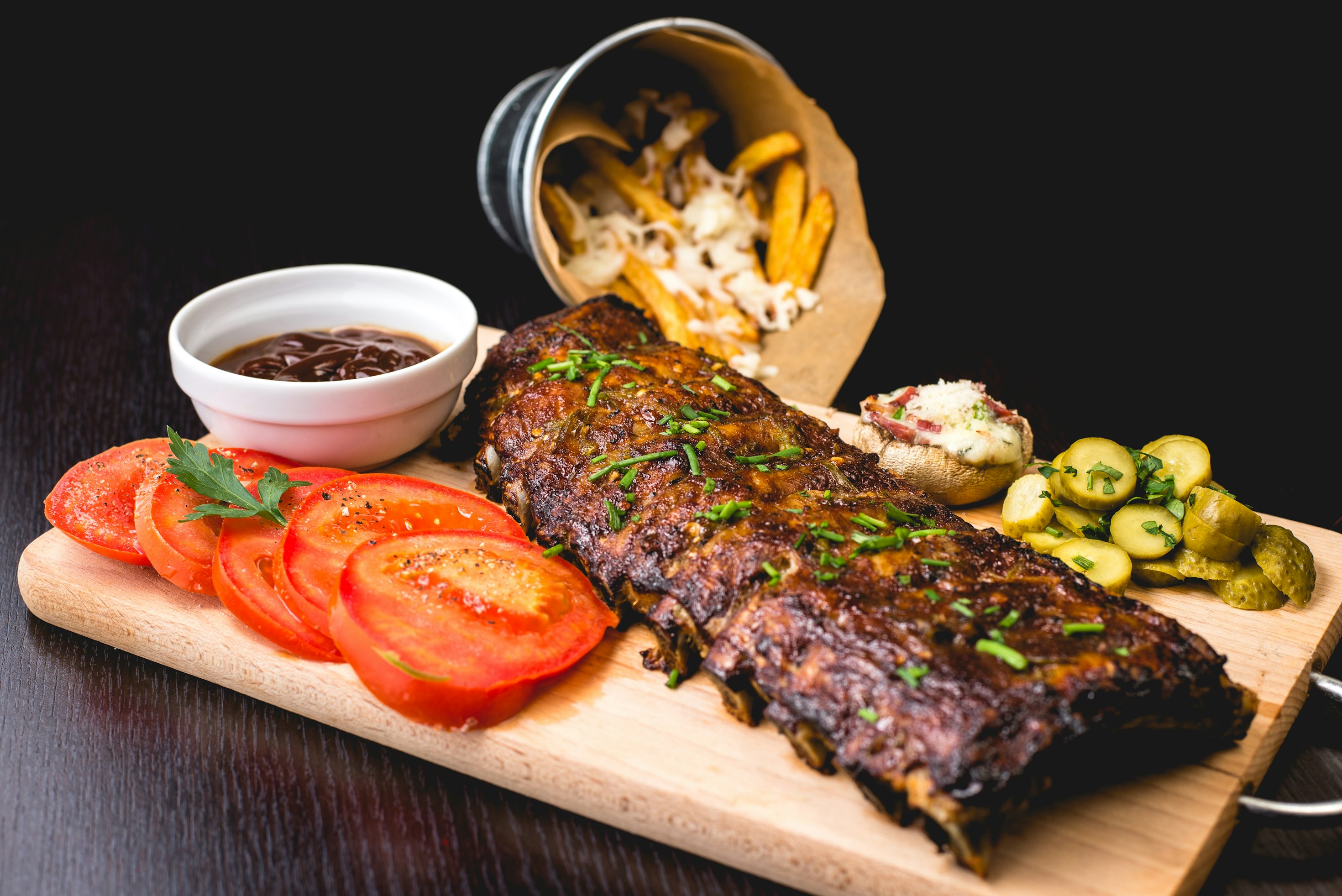
Prime rib, lamb chops, aged cheeses, mushroom risotto

What it tastes like
Cabernet Sauvignon is power and elegance in a glass. Expect intense black currant and black cherry, layered with cedar, tobacco, and dark chocolate. The tannins are firm but refined, giving the wine structure that can age for decades. Oak aging adds vanilla, coffee, and a hint of smoke. This is a wine that demands your attention and rewards patience.

"Bordeaux gave the world Cabernet Sauvignon, but California made it a superstar."
Why it matters
Bordeaux gave the world Cabernet Sauvignon, but California made it a superstar. Since the 1976 Judgment of Paris—when Napa's Stag's Leap Wine Cellars beat the best of Bordeaux—California Cab has been the benchmark for New World winemaking. It's the state's most prestigious red, commanding the highest prices and the most devoted following.
California Heritage

The 1973 Stag's Leap Wine Cellars Cabernet that won the 1976 Judgment of Paris cost just $6 a bottle. Today, that vintage sells for thousands at auction.

Where it shines
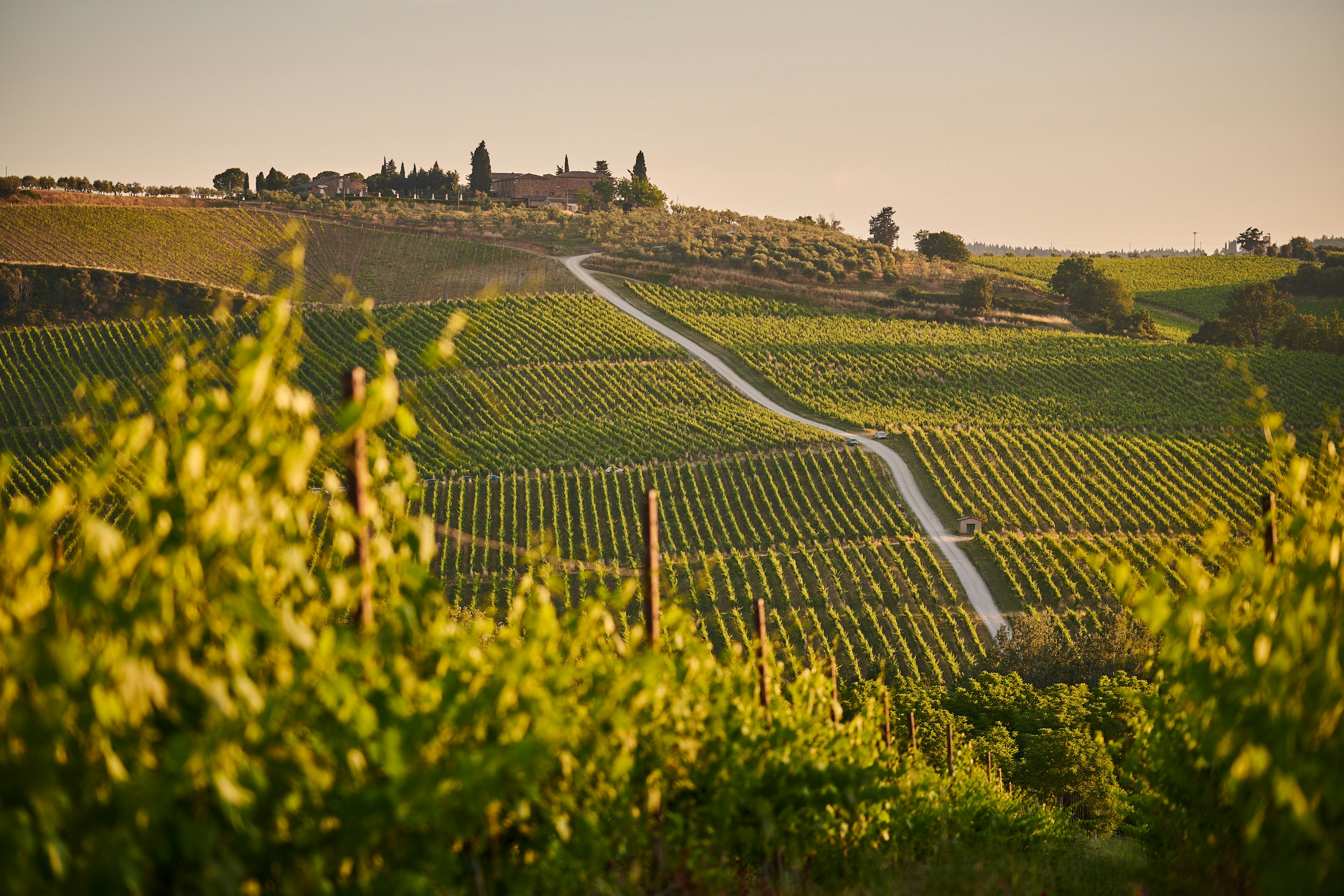
Napa Valley is Cabernet country. Rutherford produces wines with dusty tannins and herbal notes. Oakville delivers power and concentration. Stags Leap District crafts elegant, velvety expressions. Beyond Napa, Paso Robles makes fruit-forward, approachable styles. Sonoma's Alexander Valley offers structured wines with mountain character. Santa Cruz Mountains produces age-worthy, complex bottles from hillside vineyards.
How to choose
Napa Valley Cabernet is the gold standard—look for specific AVAs like Rutherford or Oakville for terroir-driven wines. Check the vintage—great years like 2013, 2016, and 2018 are worth seeking out. Alcohol above 14.5% signals ripe, fruit-forward styles. Single-vineyard designations indicate premium quality. And don't shy away from age—well-made Cab can improve for 10-20+ years.
Pairs well with
Cabernet Sauvignon needs fat and protein. Prime rib with peppercorn crust is the classic pairing—the wine's tannins cut through the richness. Lamb chops with rosemary bring out the wine's herbal notes. Aged cheddar or Manchego cheese complement the wine's complexity. Even a rich mushroom risotto works, as earthy flavors mirror the wine's oak and forest floor notes.