Sauvignon Blanc
Electric. Vibrant. Unmistakable.
The Profile
What makes Sauvignon Blanc unique
Flavors
Grapefruit, lime, passion fruit, grass, bell pepper, gooseberry
Body
Light to Medium
Dryness
Dry
Acidity
High
Tannin
Low
Regions
Napa Valley, Sonoma County, Lake County, Paso Robles
Perfect Pairings
Goat cheese, ceviche, grilled vegetables, fresh herbs

What it tastes like
Sauvignon Blanc doesn't whisper—it shouts. Bright grapefruit and lime zest hit first, followed by passion fruit, fresh-cut grass, and a hint of jalapeño or bell pepper. The acidity is razor-sharp, the finish is clean and dry, and the overall effect is like jumping into a cold pool on a hot day. California Sauvignon Blanc tends to be riper and more tropical than its Loire Valley cousins, but it keeps that signature zing.

"Sauvignon Blanc doesn't whisper—it shouts. Bright, bold, and unapologetically refreshing."
Why it matters
New Zealand made Sauvignon Blanc famous with Marlborough's explosive, grassy style. But California was making serious Sauvignon Blanc long before that—Robert Mondavi coined the term "Fumé Blanc" in the 1960s to market oak-aged Sauvignon Blanc as something more sophisticated. Today, California produces both styles: crisp, unoaked expressions bursting with citrus, and richer, barrel-fermented versions with more weight and complexity.
California Heritage

Robert Mondavi invented the term "Fumé Blanc" in 1968 to rebrand Sauvignon Blanc, which was struggling in the U.S. market. The name stuck and created an entirely new category.

Where it shines
Napa Valley produces both styles—crisp and tropical from valley floors, richer and more textured from hillsides. Sonoma County delivers bright, mineral-driven wines with citrus and herb notes. Lake County's volcanic soils add a distinctive flinty quality. Paso Robles offers riper, fruit-forward expressions. And many producers are now experimenting with skin contact and wild fermentation, pushing the boundaries of what California Sauvignon Blanc can be.
How to choose
Check the label for clues. "Fumé Blanc" usually signals oak influence and more body. "Sauvignon Blanc" suggests unoaked freshness. Look for cooler regions like Sonoma Coast for high-acid, citrus-driven styles. Warmer areas like Paso Robles deliver riper, tropical fruit. Alcohol under 13.5% usually means crisp and refreshing. Above 14% leans richer and rounder. And single-vineyard bottlings often showcase unique terroir.
Pairs well with
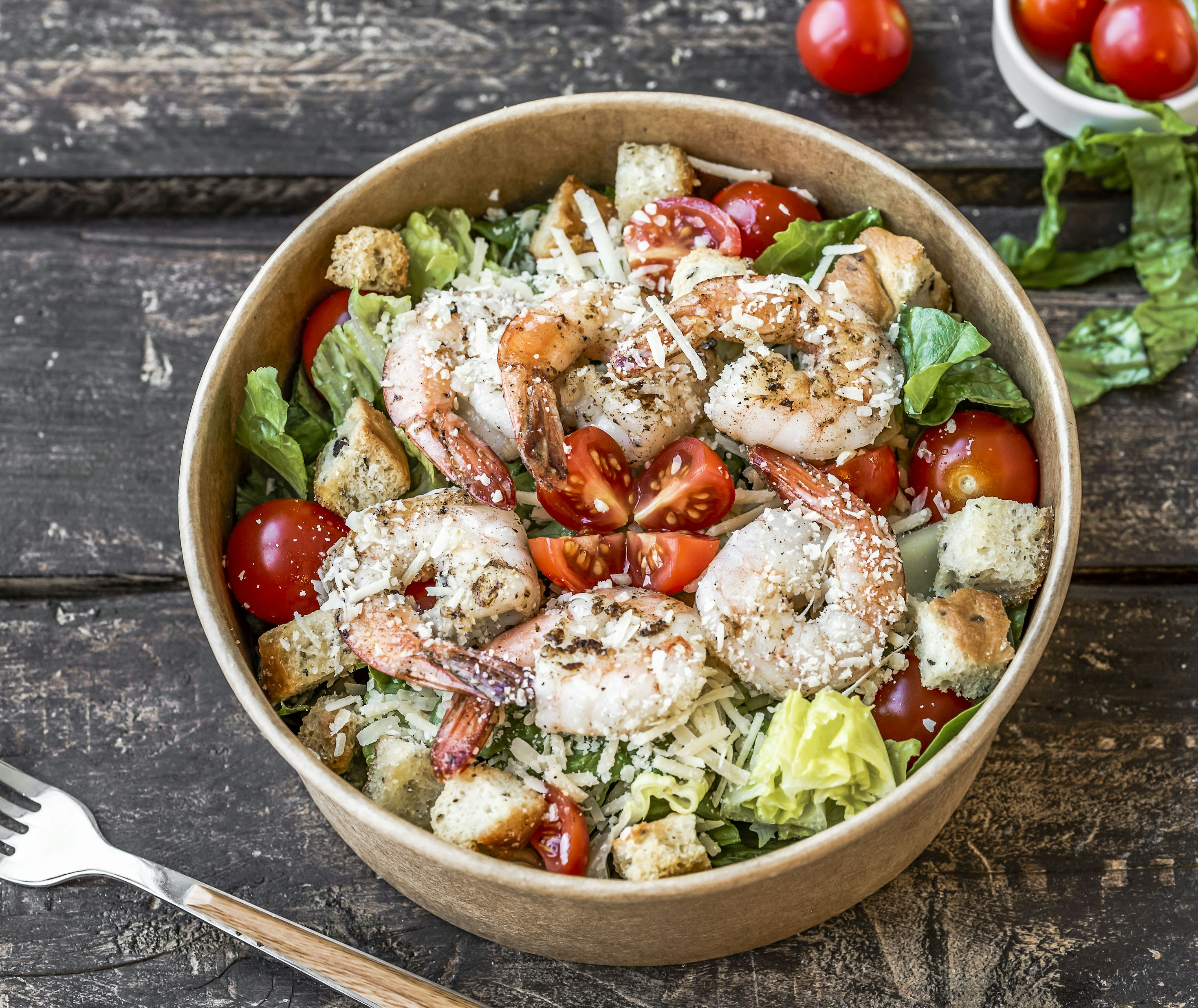
Sauvignon Blanc is the ultimate food wine. Fresh goat cheese is the classic pairing—the wine's acidity cuts through the richness perfectly. Ceviche and the wine's citrus notes create magic together. Grilled asparagus, zucchini, or other green vegetables mirror the wine's herbal character. Dishes with fresh herbs—cilantro, basil, mint—find their perfect match. Even spicy Thai or Vietnamese food works, as the acidity tames the heat.